Thursday, 10 April 2025

Bhubaneswar, Odisha News

 10 April 2025

ANI on X: "#WATCH | Bhubaneswar, Odisha: State LoP and former CM Naveen Patnaik says, "I would like to state here that I disapprove of any quite large meetings in hotels held by party members. They have the party office 'Sankha Bhawan', which is a large building where they have been told https://t.co/CkiLpgTjPL" / X where they have been told they should hold their meetings and they should do so. I also want to state here quite clearly that Pravat Tripathy, ex-MLA, was expelled from the BJD some years ago because he was indicted in the chit-fund case and has spent some years in jail. I want to clarify again that he doesn't belong to the party. I also want to state quite clearly that Kartikeyan Pandian, in the past, has done a lot of good work not only for the state but for the party. So, he shouldn't be criticised or blamed for anything. Also, he left the party more than 10 months ago and is not involved in any of the party's work."

Macro Economics

12 March 2026

Very good article by Vikas Sehgal not by Ritesh Jain. Learn from this article only art of writing and maintaining interest to understand more with a very simple language. Ritesh Jain on X: "Every Empire Dies the Same Way. They miss the next technology. Most civilizations do not disappear because they are weak. They disappear because the technology that once made them powerful becomes obsolete. History is filled with empires that looked permanent—until the rules of" / X " —until the rules of power changed. When those rules changed, their decline was often swift and irreversible.
Egypt ruled the ancient world for nearly two thousand years. Long before Greece rose or Rome existed, Egypt possessed the most advanced state in the Mediterranean world. Its bureaucracy, agriculture, and armies were unmatched. During the Bronze Age, bronze weapons and chariots defined military power, and Egypt mastered both. But bronze had a hidden weakness. It required copper and tin—metals that had to be imported through fragile trade networks. Then came iron. Iron weapons were not just stronger; they were dramatically cheaper and far more abundant. But iron required extremely high temperatures to smelt, which meant vast quantities of charcoal. Charcoal meant forests. Forests meant geography. Egypt was a river civilization surrounded by desert. It simply did not have the forests needed to produce iron at scale. Assyria did. Situated near the wooded hills of Anatolia and the Levant, Assyria mastered iron metallurgy and equipped its armies accordingly. Within a few centuries Assyria dominated the Near East with iron-equipped forces. Egypt survived, but it never again returned to the center of global power. A civilization that had ruled for millennia missed the next technological age. The pattern would repeat across centuries. In medieval Europe the armored knight was the ultimate weapon of war. A knight was a walking fortress—encased in steel, mounted on a powerful warhorse, and supported by an entire feudal economy. Training one took decades. Equipping one cost enormous wealth. Society itself was organized around sustaining this elite warrior class. Then came a weapon made largely from wood. The English longbow could be wielded by commoners. A skilled archer could release ten arrows in the time it took a knight to cross the battlefield. At battles such as Agincourt in 1415, thousands of English archers faced a much larger French army filled with heavily armored nobles. The result was devastating. The economics of war had changed. A weapon that cost almost nothing could neutralize a system that required immense wealth to maintain. The knight did not vanish overnight, but its dominance ended. Technology had quietly rewritten the cost structure of power.
The same dynamic unfolded in South Asia. For centuries Indian armies relied on war elephants as their ultimate battlefield weapon. Elephants towered over infantry formations, crushed cavalry charges, and carried commanders above the battlefield. They were symbols of royal authority and instruments of shock warfare. But elephants belonged to an older military age. In 1526 at the First Battle of Panipat, the Central Asian warlord Babur faced the much larger army of the Delhi Sultan Ibrahim Lodi. Lodi possessed tens of thousands of troops and hundreds of war elephants. Babur’s force was far smaller. But Babur brought gunpowder artillery. When the cannons fired, the explosions terrified the elephants. The animals turned and stampeded through their own ranks. Within hours the Delhi Sultanate collapsed and the Mughal Empire was born. A military system that had dominated the subcontinent for centuries was undone in a single afternoon. Numbers had not changed. Technology had.
Even more dramatic was the rise of the Mongols. To the sophisticated civilizations of the thirteenth century, the Mongols appeared primitive. China had cities and advanced engineering. Persia had wealth and scholarship. Europe had castles and armored knights. The Mongols had horses. But their system of warfare was revolutionary. Each warrior rode multiple ponies, allowing Mongol armies to travel extraordinary distances without exhausting their mounts. Their composite bows could penetrate armor at long range, and their decentralized command structure allowed rapid maneuver warfare that stunned slower armies. Mobility became the decisive advantage. Within a few decades the Mongols built the largest contiguous empire in human history, stretching from Korea to Eastern Europe. Civilization had been defeated by adaptation. Modern history offers an even clearer example. At the beginning of the Second World War the most powerful warships ever built were battleships—massive floating fortresses armed with gigantic guns capable of firing shells across vast distances. Nations poured immense resources into these symbols of naval supremacy. Then aircraft carriers arrived. Aircraft launched from carriers could strike ships from hundreds of kilometers away—far beyond the range of battleship guns. In the Pacific War carriers destroyed battleships without ever entering their range. Within a few years the battleship became obsolete. Aircraft had replaced armor. Every military revolution follows the same pattern. A cheaper or more effective technology suddenly destroys the expensive system that once defined power. Iron replaced bronze. Longbows humbled knights. Cannons broke elephant armies. Aircraft replaced battleships. Each time the global balance of power shifted. Today we may be entering another such moment. For five centuries global dominance belonged to maritime powers that controlled the oceans. The Portuguese began the era of oceanic empires. The Spanish expanded it. The Dutch perfected global trade networks. Britain built a navy so powerful that at one point it exceeded the combined fleets of its rivals. In the twentieth century the United States inherited this system. Aircraft carriers became the ultimate instruments of global power projection. Control of the sea meant control of trade. Control of trade meant control of wealth. But the technologies shaping warfare are changing again. Drones, artificial intelligence, autonomous systems, and precision missiles are altering the economics of conflict. In modern battlefields inexpensive drones have destroyed tanks worth millions of dollars. A device costing a few hundred dollars can destroy equipment thousands of times more expensive. When such asymmetries scale, entire military doctrines become unstable. Even the aircraft carrier—the crown jewel of naval power—faces new vulnerabilities. A single carrier costs more than thirteen billion dollars, yet missiles capable of threatening such ships may cost a tiny fraction of that. But the deeper shift may not be destruction. It may be denial. In the twentieth century dominance meant the ability to project power anywhere in the world. In the twenty-first century victory may simply mean preventing your rival from reaching you. Access denial can be as powerful as conquest. Consider the Strait of Hormuz, through which roughly a fifth of the world’s oil supply flows. If even a regional power could credibly deny access to that narrow corridor using missiles, drones, mines, and autonomous systems, the consequences for global trade would be immense. To challenge a superpower no longer requires conquering its cities. It may only require making key strategic routes too dangerous to enter. If a navy cannot guarantee safe passage through critical chokepoints, its ability to operate near heavily defended regions becomes far more uncertain. And that raises an uncomfortable question. If access to a narrow waterway like Hormuz can be contested, what does that imply about operating near Taiwan—surrounded by dense missile networks and advanced defenses? The balance between offense and defense may be shifting again. Whenever that happens, the global hierarchy begins to move. China appears determined not to miss this moment. It is investing heavily in artificial intelligence, robotics, autonomous systems, and advanced manufacturing. It already produces a dominant share of the world’s industrial robots and graduates enormous numbers of engineers every year. The United States still possesses immense advantages—its universities, capital markets, and technological ecosystem remain powerful. Old powers rarely fade quietly. But technological transitions are rarely gentle. Which brings us to India. Every technological shift divides nations into two groups: those who build the future and those who live inside it. Egypt missed iron. Knights missed the longbow. Elephant armies missed gunpowder. Battleships missed aircraft. The twenty-first century will be defined by artificial intelligence, robotics, autonomous warfare, and advanced manufacturing. The question is simple: who will build it? India has the population, the talent, and the intellectual capacity to be one of the defining powers of this age. But technological leadership demands long-term focus—investment in science, engineering, industry, and strategic capability. Yet too often the national conversation revolves around something else entirely. Instead of debating how to dominate artificial intelligence or robotics, political energy is consumed by the next election cycle and the next round of handouts. Welfare schemes designed to win votes—cash transfers, subsidies, and programs such as “Ladli Behna”—may bring short-term political victories. But they do little to build the scientific, technological, and industrial foundations that determine long-term power. History offers a harsh lesson: civilizations that focus on distributing wealth before creating it eventually fall behind those that invest relentlessly in capability. Empires are not lost only on battlefields. Sometimes they are lost in budgets. A society obsessed with the next election rarely prepares for the next technological revolution. The countries that dominate the coming century will be those that build laboratories, factories, engineers, and machines—not just welfare rolls. India therefore faces a choice that will define its future. It can commit to the hard path of technological leadership—massive investment in research, robotics, AI, manufacturing, and military innovation. Or it can remain trapped in a narrow cycle of electoral politics and populist giveaways, slowly drifting toward the margins of global power. Egypt missed iron. Others missed gunpowder. Still others missed aircraft. The question of this century is simple. Will India seize the age of AI and robotics—or miss it? Because every empire that misses the next technology eventually learns the same lesson. It becomes a spectator in a world shaped by others.
Written by Vikas Sehgal an investor with @pinetreemacro. 1:48AM 12 March 2026

11 March 2026

 Handre on X: "What Even Is Austrian Economics? And why does it feel like common sense the moment you see it?" / X he economists who run central banks have been wrong about almost everything for the past fifty years. The inflation they said wouldn't happen — happened. The recessions they said they'd prevent — happened. The stimulus that was supposed to kickstart growth produced a decade of stagnation and the biggest wealth transfer to the already-wealthy in modern history. And yet here they are. Still in charge. Still confidently explaining why the next intervention will be different.

There is another tradition in economics. One that predicted most of this. One that explained, with uncomfortable precision, exactly why central planning fails, why printing money destroys savings, and why every government attempt to fix the economy makes it worse. It came out of Vienna in the 1870s, it was systematically ignored by the academic establishment, and it is more relevant today than at any point in the last hundred years.

It's called the Austrian School of Economics. This series is about the men who built it — and why their ideas were buried.
The Enemy: Where Mainstream Economics Actually Came From
Economics taught in universities today is mostly Keynesian. Named after British pedophile John Maynard Keynes, whose 1936 publication "General Theory" gave governments the intellectual cover they had always wanted.
The theory, stripped of its academic language, says this: when the economy slows down, government should spend more, borrow more, and have the central bank cut rates. Consumption drives growth. Savings are a drag. Deficits don't matter in the short run, and in the long run — famously — we're all dead anyway.
Politicians loved it. Of course they did. It told them that spending money they didn't have was not just acceptable but morally necessary. That experts with mathematical models should be trusted to manage the most complex system in human history — billions of individual economic decisions — from a committee room in Washington or London or Frankfurt.
The Austrians looked at this and called it what it was. An elaborate justification for power.
Three Ideas That Explain the World
Austrian economics isn't a single grand theory. It's a set of insights built up over a century by economists who started from one simple premise: economics must begin with the individual human being and work outward — not the other way around.
The first insight is subjective value. Things don't have intrinsic prices. A bottle of water is worth more to a man dying of thirst than to someone standing next to a river. Value exists in the mind of the person doing the valuing — and it changes with every circumstance. This sounds obvious. But it destroys the logical foundation of every price control, wage floor, and rent cap ever implemented.
The second is the knowledge problem. The information needed to run an economy is not sitting in any database or any economist's head. It's dispersed across millions of people — your local butcher knows things about his customers that no bureaucrat in Brussels could ever know. Prices are the mechanism that aggregates this information and transmits it. Interfere with prices and you destroy the signal. Without the signal, you're flying blind — with other people's money, and other people's lives.
The third is sound money. Every great civilisation has eventually discovered that debasing the currency is a form of theft — and that it destroys the savings, the investment, and the long-term thinking that make prosperity possible. The Austrians understood this from the beginning. Mises built an entire theory of the business cycle around it: cheap credit creates booms that cannot last, because they're built on a lie about the real availability of resources. The bust is not a failure of the market. The bust is the market correcting the lie.
The Men Who Built It
The Austrian School wasn't built by one person. It was built across generations — each thinker taking what came before, finding the gaps, and pushing further.
It starts with Carl Menger, a Vienna professor who in 1871 figured out where value actually comes from. Not from labour, not from production costs — from the subjective judgement of individual human beings. That single insight, quietly published in a book almost nobody read at the time, overturned two centuries of economic orthodoxy.
Eugen von Bรถhm-Bawerk took Menger's foundation and built a theory of capital on top of it — explaining why saving and investment are the actual engines of prosperity, why interest rates exist, and why artificially cheap credit always ends in a crash. He argued this in print with Karl Marx and won. Not that the universities noticed.
Ludwig von Mises is probably the most important economist of the twentieth century — which is exactly why most economics courses don't mention him. His 1920 paper on socialist calculation proved, mathematically, that a planned economy cannot function rationally. His magnum opus, Human Action, remains the most comprehensive defence of the free market ever written.
Friedrich Hayek was Mises' most famous student. He won a Nobel Prize in 1974 — the same year he explained in his acceptance speech why Nobel Prizes in economics probably shouldn't exist. His Road to Serfdom warned that the road to totalitarianism is paved with exactly the kind of well-intentioned central planning that Western democracies were already embracing. They called him an alarmist. They built the road anyway.
Murray Rothbard took everything Mises built and followed the logic further than Mises was willing to go — all the way to anarcho-capitalism, the complete abolition of the state, and a natural law theory of property rights that made most libertarians nervous. His Man, Economy, and State is the most rigorous deductive economic treatise written in the twentieth century. He also happened to be one of the funniest writers in the history of the discipline.
Henry Hazlitt wasn't an academic. He was a journalist — which is probably why he could explain economics more clearly than anyone with a PhD. His Economics in One Lesson has sold millions of copies and contains more practical wisdom about how government intervention destroys wealth than most university curricula cover in four years.
Israel Kirzner spent his career developing the Austrian theory of entrepreneurship — the idea that markets are not static equilibria but dynamic discovery processes, driven by alert individuals who spot opportunities everyone else has missed.
Hans-Hermann Hoppe is the most controversial living economist in the Austrian tradition. His Democracy: The God That Failed makes the case that democratic government is not the solution to the problem of state power — it is a particularly efficient mechanism for expanding it.
And Saifedean Ammous — the economist who connected the entire Austrian monetary tradition to the most significant monetary development since the gold standard. His work closes the loop on everything Menger, Mises, and Rothbard were building toward.
Welcome to this groundbreaking series of Articles, where you will learn about the Austrian School of economics, 1000 words at a time. Nine economists. Twenty-seven articles. One coherent tradition that the establishment has been trying to ignore for a hundred and fifty years. They were right. The series starts now. Bookmark this article to follow along, new publication every few days, starting today.
"The process of economic development has never been the result of action by governments." — Carl Menger 2:07AM 11 March 2026.


10 April 2025

A blogger explains how an increase in tariffs can affect economics and cause unemployment, recession, inflation, and conflict. Chandu Stun on X: "@Ronxyz00 When an entrepreneur goes bankrupt, unemployment rises. Those who lose their jobs often struggle to keep up with their mortgage payments, leading to an oversupply of homes on the market with fewer buyers. As housing prices drop, the value of properties no longer matches the" / X "matches the collateral for loans, forcing even those who aren’t yet in dire straits to sell their homes because they can’t provide sufficient guarantees to the bank. Real estate agencies collapse, leaving brokers unemployed.

Delis and diners face challenges as their regular customers - who used to grab breakfast or lunch during workdays - disappear. If these businesses don’t shut down entirely, they at least cut staff, adding to the growing number of people in debt.

Meanwhile, inflation rises as costs increase, and interest rates climb, making it even harder for those who are still managing to stay afloat. They reduce their spending, which leads to more stores and entrepreneurs going bankrupt. And in this game of Monopoly, you can go back to the starting square and start a new round."


Monday, 31 March 2025

Narender Damodar Modi


100 Years of RSS from 1925 to 2025

Narender Modi visits Nagpur - Head Quarter of Rashtriya Swayam Sevak Sangh
20 things published in a Tamil magazine about Modi.
1. Clean fabric and hair made with grey.
2. Commanding body language and men's trick.
3. Saint in saffron cloth, soldier in uniform, and Divine prince in common cloth.
4. Patriotism and discipline in every breath.
5. More impressive in front of any foreign head.
6. There is no leader other than Modiji who fulfills so many promises announced in elections.
7. Nation first. No one in the family stays close to each other.
8. Never took a leave.
9. Never gets sick.
10. Speak as much as necessary and be silent as necessary.
11. No tiredness on the face.
12. Full command of speech and language.
13. Opponents are not distracted by criticism and rhetoric.
14. Opposition doesn't waste time on stupid statements. Minding my business.
15. A mixture of health, tradition, and honesty
16. Decision with full dedication and determination.
17. Symbol of Hindu culture and pride
18. The eyes can attract anyone.
19. No confusion, no fear, no selfishness.
20. More energy than a young man, even at 72+. 20 hours of continuous travel and work ability.
No politician in the world can get so many qualities...

11June 2026

Narendra Modi on X: "2014 เคฎें เค†เคถा เค•े เคœिเคธ เคธूเคฐเคœ เค•ा เค‰เคฆเคฏ เคนुเค†, เคตเคน เค†เคœ เคจเค เค†เคค्เคฎเคตिเคถ्เคตाเคธ เค•े เคช्เคฐเค•ाเคถเคชुंเคœ เคฎें เคฌเคฆเคฒ เคšुเค•ा เคนै। เคฌीเคคे 12 เคตเคฐ्เคทों เคฎें เคญाเคฐเคค เค•े เคฒोเค—ों เคจे เคชเคนเคฒी เคฌाเคฐ เคฏเคน เคฆेเค–ा เคนै เค•ि เคœเคฌ เคธเคนी เคจीเคฏเคค เคธे เคธเคฐเค•ाเคฐ เคšเคฒเคคी เคนै เคคो เคคेเคœ เค—เคคि เคธे เคตिเค•ाเคธ เคญी เคนोเคคा เคนै। https://t.co/p78mnmFW5U" / X The sun of hope that rose in 2014 has today transformed into a radiant orb of newfound confidence. Over the past 12 years, the people of India have witnessed for the first time that when a government is run with the right intent, development too happens at a rapid pace.5:17AM 11 June 2026

10 June 2026

Jamir draws an interesting distinction between the two leaders. "Panditji was a philosopher. Modi ji is a practical man. That's the difference," he says. Jamir points out that PM Modi's approach is marked by him getting involved personally in issues. “Nehru largely worked through officers and institutions, whereas Modi engages directly,” he says. “If you raise an issue with him, he addresses it personally without intermediaries.” This direct approach gives Modi firsthand knowledge of challenges across the country, including in the North East, whereas many concerns during Nehru’s time often did not reach the Prime Minister through layers of administration, says Jamir. “In those days, we were heavily influenced by British etiquette and administrative culture. Today we have our Indian model, making Prime Minister Modi far more accessible. Modi ji speaks openly and expresses freely, unlike many of his predecessors,” says Jamir. He also points to the shift in India's economic philosophy. “The Nehru government followed a Russian model of planned economy. Everything was controlled through licences. Therefore we could not develop like we are doing now under PM Modi,” he says. Jamir acknowledges that under PM Modi's leadership, this shift in economic policy is helping India emerge as one of the world's fastest growing major economies. S.C. Jamir adds, "The Northeast was neglected for far too long. When Modi ji took office, he gave unprecedented attention to this underdeveloped region. The scale of funding and development support we receive today is something we could hardly have imagined earlier. When I was Chief Minister, budgets often ran into just 10-20 crores. But today the investments are on an entirely different scale."
"One of the most significant achievements for Prime Minister Modi's leadership has been the progress in the Naga peace process. For the first time, Naga underground groups agreed to sign two landmark political agreements," says Jamir. 7:57PM 10 June 2026

30 April 2026

2014 – Became Prime Minister 2019 – Re-elected Prime Minister 2014 to 2024 – Led BJP’s historic wins 2024 to Present – Serving as Prime Minister No matter how much you abuse him, a person doesn’t reach here just like that. Meanwhile, Pappu is not even close to Modi’s political career. 11:54PM 30 April 2026

3 April 2026

The Curious Tales on X: "๐ŸšจThis is the man the US banned from entering now shapes conversations in Washington. That sentence should terrify every political establishment on earth. Modi's rise exposes something the global political class desperately wants to ignore: the age of inherited power is ending. https://t.co/SmjkcLW2xa" / X the age of inherited power is ending. The neat pipelines that funneled privilege into political control for centuries are breaking down. The Harvard to Capitol Hill conveyor belt. The Oxford to Westminster track. The grande รฉcole to ร‰lysรฉe Palace elevator.

Modi bypassed every single one. He built power the way power was built before political dynasties existed. Village by village. Speech by speech. Crisis by crisis. No shortcuts. No family name opening doors. No donors writing checks because his father was useful to their fathers. What makes his story genuinely unsettling to established democracies is how replicable the model actually is. The ingredients exist everywhere: economic anxiety, cultural displacement, media distrust, elite disconnection from ground realities. Modi didn't create those conditions. He simply understood them better than anyone else and spoke to them directly. The tea seller origin story isn't political theater. It's strategic positioning. Every time Modi references his childhood poverty, he's reminding 800 million Indians that he comes from where they come from. When he talks about sleeping on railway platforms, he's activating a shared experience that no amount of focus group research can manufacture for his opponents. This is why traditional politicians struggle against populist outsiders. They're fighting autobiography with policy papers. Personal narrative always wins that battle. But the deeper disruption Modi represents goes beyond India. His success blueprint is being studied and adapted by political movements across continents. The core insight: in an age of information overload and institutional distrust, authenticity becomes the ultimate political currency. And authenticity can't be inherited or purchased. It has to be lived.
Modi lived it. Seventeen years wandering India as a young man. Decades as an invisible party worker. The slow accumulation of credibility among people who had been ignored by coastal elites for generations. When he finally reached power, his authority wasn't borrowed from family legacy or institutional prestige. It was earned from direct contact with the electorate. The international isolation he faced early on only strengthened this dynamic. When the US banned his visa and global media wrote him off, it confirmed to his base that the same forces dismissing him were the same ones dismissing them. External criticism became internal validation. The political machine he built operates on a completely different logic than traditional party structures. Instead of relying on intermediaries, brokers, and established hierarchies, it communicates directly with the population through digital channels and mass rallies. The message bypasses traditional gatekeepers entirely. This direct communication model is what allows Modi to maintain political dominance despite constant controversy. When media criticism reaches fever pitch, he simply speaks over it to his audience. The medium becomes irrelevant when you control the message. What global observers consistently underestimate is how this approach scales. A leader who can hold the attention of 1.4 billion people and win repeated electoral mandates has mastered something that transcends cultural boundaries. The techniques translate. The psychology transfers. Modi's story reveals the future template for democratic leadership in an era of institutional collapse. Outsiders with lived experience, direct communication channels, and deep cultural fluency will consistently defeat insiders with credentials, institutional backing, and media support. The tea seller who sold beverages to train passengers now shapes global geopolitics. Every established democracy should be asking itself: Who is our Modi, and why haven't we noticed them yet?

27 December 2025

3 November 2025

Takht Shri Harminder Ji Patna Sahib

21 September 2025

Navratri is starting from 22 September 2025. Reduction in GST shall help in saving and celebration. This reform shall accelerate India's growth story. It shall help all states of India. In 2017 we started GST and it is helping all business activities. There were many taxes before implementing this GST. Many forms were required to be filled. There were many forms of states and cities. Companies expressed their discontent to send the material from Bangalore to Hyderabad. It was convenient to send from BLR to Europe and then to Hyderabad. He coined "เคจाเค—เคฐिเค• เคฆेเคตो เคญเคตः". Modi also emphasized again on "เค†เคค्เคฎ เคจिเคฐ्เคญเคฐ เคญाเคฐเคค".  MSME and India's cottage Industries (Laghu Udyog) should produce quality products. This shall increase prosperity in India. Unknowingly we are using many imported thingss like combs etc. We must use our own products. "Garv se Kaho ye Swadeshi hai. Garv se Kaho Main Swedeahi use karta hun and swedeshi bechta hun." This shall help all Indians. Narendra Modi on X: "My address to the nation. https://t.co/OmgbHSmhsi" / X


17 September 2025

President of India on X: "เคญाเคฐเคค เค•े เคช्เคฐเคงाเคจเคฎंเคค्เคฐी เคถ्เคฐी @narendramodi เคœी เค•ो เคœเคจ्เคฎเคฆिเคจ เค•ी เคนाเคฐ्เคฆिเค• เคฌเคงाเคˆ เค”เคฐ เคถुเคญเค•ाเคฎเคจाเคं। เคชเคฐिเคถ्เคฐเคฎ เค•ी เคชเคฐाเค•ाเคท्เค ा เค•ा เค‰เคฆाเคนเคฐเคฃ เคช्เคฐเคธ्เคคुเคค เค•เคฐเคคे เคนुเค เค…เคชเคจे เค…เคธाเคงाเคฐเคฃ เคจेเคคृเคค्เคต เคธे เค†เคชเคจे เคฆेเคถ เคฎें เคฌเคก़े เคฒเค•्เคท्เคฏों เค•ो เคช्เคฐाเคช्เคค เค•เคฐเคจे เค•ी เคธंเคธ्เค•ृเคคि เค•ा เคธंเคšाเคฐ เค•िเคฏा เคนै। เค†เคœ เคตिเคถ्เคต เคธเคฎुเคฆाเคฏ เคญी เค†เคชเค•े เคฎाเคฐ्เค—เคฆเคฐ्เคถเคจ เคฎें เค…เคชเคจा" / X

 
Abhay Pratap Singh (เคฌเคนुเคค เคธเคฐเคฒ เคนूं) on X: "เคช्เคฐเคงाเคจเคฎंเคค्เคฐी เคจเคฐेंเคฆ्เคฐ เคฎोเคฆी เคœी เค•ा เค†เคœ เคคเค• เค•ा เคธเคฌเคธे เค–ूเคฌเคธूเคฐเคค เคญाเคทเคฃ เคธुเคจिเค เค‡เคธे เคœเคฌ เคญी เคธुเคจเคคा เคนूं, เคฐौंเค—เคŸे เค–เคก़े เคนो เคœाเคคे เคนैं - เคฐाเคฎ เคญाเคฐเคค เค•ी เค†เคค्เคฎा เคนैं, เคฐाเคฎ เคญाเคฐเคค เค•ा เค†เคงाเคฐ เคนैं - เคฐाเคฎ เคญाเคฐเคค เค•ा เคตिเคšाเคฐ เคนैं, เคฐाเคฎ เคญाเคฐเคค เค•ा เคตिเคงाเคจ เคนैं - เคฐाเคฎ เคญाเคฐเคค เค•ा เคช्เคฐเคคाเคช เคนैं, เคฐाเคฎ เคช्เคฐเคตाเคน เคนैं - เคฐाเคฎ เคจेเคคि เคญी เคนैं, เคฐाเคฎ เคจीเคคि เคญी เคนैं https://t.co/f4N6c6nt4d" / X  7:11PM 17 September 2025.


Prime Minister of Israel on X: "Happy birthday to my dear friend, Prime Minister @narendramodi. Together we will take our partnership to new heights. ๐Ÿ‡ฎ๐Ÿ‡ฑ๐Ÿค๐Ÿ‡ฎ๐Ÿ‡ณ https://t.co/hNOiQDOtdw" / X 7:19PM 17 September 2025
ANI on X: "#WATCH | Dubai's Burj Khalifa illuminated tonight with the images of PM Narendra Modi, on the occasion of his 75th birthday. https://t.co/gamw6cRaoq" / X 4:47 AM 18 September 2025.
Giorgia Meloni on X: "Buon 75° compleanno al Primo Ministro indiano @narendramodi. La sua forza, la sua determinazione e la sua capacitร  di guidare milioni di persone sono fonte di ispirazione. Con amicizia e stima gli auguro salute ed energia per continuare a guidare l’India verso un futuro luminoso https://t.co/OqXr1GFlc0" / X Happy 75th birthday to the Indian Prime Minister @narendramodiHis strength, his determination, and his ability to lead millions of people are a source of inspiration. With friendship and esteem, I wish him health and energy to continue leading India toward a bright future and to further strengthen the relations between our Nations ๐Ÿ‡ฎ๐Ÿ‡น๐Ÿ‡ฎ๐Ÿ‡ณ 7:01PM 17 September 2025.
DD News on X: "President of the European Council Antรณnio Costa extended birthday greetings to PM @narendramodi, expressing hope to strengthen the partnership between India and the European Union. #SevaParv #ModiBirthday #PMModiBirthday #SewaPakhwada #75thBirthday https://t.co/kYhV7RLgvg" / X
Times Algebra on X: "๐Ÿšจ RAREST OF RARE Wishes pour in from World leaders and icon ๐Ÿ˜๐Ÿ”ฅ NETANYAHU ๐Ÿ‡ฎ๐Ÿ‡ฑ : Dear friend Modi, You've accomplished so much for India in your life. Together we’ve strengthened India-Israel friendship. BILL GATES ⚡⚡ : PM Modi, you are leading India’s fantastic progress. I https://t.co/uoxtmCXYMt" / X
DD News on X: "Former UK Prime Minister Rishi Sunak wishes PM @narendramodi on his 75th birthday, highlighting the strong India-UK friendship and growing ties, and fondly referencing shared moments like the England-India Test series. #SevaParv #ModiBirthday #PMModiBirthday #SewaPakhwada https://t.co/XNPJU8VNoE" / X
ANI on X: "#WATCH | On PM Modi's 75th birthday, former Indian cricketer Sunil Gavaskar says, "... The first time I met him was at Mukesh Ambani's house when he had come at the inauguration of the HN Reliance Hospital. What was very heartening at that particular evening was that I was https://t.co/yl40qHek7L" / X 9:29PM 

30 August 2025

Modi - the Prime Minister of India, with Ishiba - the Prime Minister of Japan - 29 August 2025.
Tech–Talent synergy to power this century’s technology revolution. Green energy focus for a better future. Next-gen infrastructure, where Japan’s excellence and India’s scale can do wonders. Skill development and people-to-people ties. @shigeruishiba 6:47PM 29 August 2025.


14 August 2025

 Shaurya Mishra on X: "เคฏเคน เคคเคธ्เคตीเคฐ เค‰เคธ เคธเคฎเคฏ เค•ी เคนै เคœเคฌ เคฌीเคœेเคชी เค•ा เคฆेเคถ เคฎें เคคो เคจเคนीं เค—ुเคœเคฐाเคค เคฎें เคญी เค•เคนीं เค…เคคा เคชเคคा เคจเคนीं เคฅा. เค•ेเคถुเคญाเคˆ เคชเคŸेเคฒ, เคถंเค•เคฐ เคธिंเคน เคตाเค˜ेเคฒा, เคจเคฐेंเคฆ्เคฐ เคฎोเคฆी เค”เคฐ เค•ाเคถीเคฐाเคฎ เคฐाเคฃा .. เคœैเคธे เคฒोเค— เคฌीเคœेเคชी เค•ो เคฎเคœเคฌूเคค เคฌเคจाเคจे เคฎें เคœी เคœाเคจ เคธे เคฒเค—े เคนुเค เคฅे… เค—ुเคœเคฐाเคค เคชเคนเคฒा เคฐाเคœ्เคฏ เคนै เคœเคนां เคฌीเคœेเคชी เคธเคค्เคคा เคฎें เค†เคˆ, เค”เคฐ เคœिเคธ เคœเคฎाเคจे เคฎें https://t.co/ji0L72ADOB" / X   เค”เคฐ เคœिเคธ เคœเคฎाเคจे เคฎें เคฌीเคœेเคชी เค•े เคธिเคฐ्เคซ เคฆो เคธंเคธเคฆ เคธเคฆเคธ्เคฏ เคฅे, เค‰เคธเคฎें เคธे เคเค• เคฎेเคนเคธाเคจा เคธे เคฅे। Shaurya Mishra informs. เคฎिเคค्เคฐों, เค—ुเคœเคฐाเคค เคฎें เคฌीเคœेเคชी เค•ो เคธเคค्เคคा เคฎें เคฒाเคจे เคฎें เค•ुเค–्เคฏाเคค เคฎाเคซिเคฏा เคกॉเคจ เค…เคฌ्เคฆुเคฒ เคฒเคคीเคซ เค•ा เคฌเคนुเคค เคฌเคก़ा เคฏोเค—เคฆाเคจ เคนै เค…เคฌ्เคฆुเคฒ เคฒเคคीเคซ เค‡เคคเคจा เค•ुเค–्เคฏाเคค เคกॉเคจ เคฅा เค•ि เค‰เคธเคจे เคธเคฌเคธे เคชเคนเคฒे AK-47 เค‡เคธ्เคคेเคฎाเคฒ เค•िเคฏा เคฅा, เค”เคฐ เคฌाเคฐเคน เคชुเคฒिเคธเค•เคฐ्เคฎिเคฏों เคธเคนिเคค เคกेเคข़ เคธौ เคธे เคœ्เคฏाเคฆा เคฒोเค—ों เค•ा เคฎเคฐ्เคกเคฐ เค•िเคฏा เคฅा, เคœिเคธเคฎें เคฐाเคงिเค•ा เคœिเคฎเค–ाเคจा เคฎเคฐ्เคกเคฐ เคฌเคนुเคค เคช्เคฐเคธिเคฆ्เคง เคนुเค† เคฅा। เคฒเคคीเคซ เคจे เคธोเคจे เคšांเคฆी เค•ी เคธ्เคฎเค—เคฒिंเค—, เคก्เคฐเค—्เคธ เค•ी เคธ्เคฎเค—เคฒिंเค—, เค‡เคค्เคฏाเคฆि เคฎें เค…เคฐเคฌों เคฐुเคชเค เค•เคฎाเคฏा เค”เคฐ เค‰เคธเคฎें เคจेเคคाเค“ं เค•ो เคญी เคนिเคธ्เคธा เคœाเคคा เคฅा। เคฏเคฆि เคฒเคคीเคซ เคฏा เคฒเคคीเคซ เค•े เค—ैंเค— เค•े เค•िเคธी เค—ुเคฐ्เค—े เค•ो เค•ोเคˆ เคนिंเคฆू เคฒเคก़เค•ी เคชเคธंเคฆ เค† เคœाเคคी เคฅी
เคคो เคตो เคฐाเคคों-เคฐाเคค เค‰เค ा เคฒी เคœाเคคी เคฅी. เคœเคฌ เคšाเคนे เคคเคฌ เค•िเคธी เคนिंเคฆू เค•ा เคฌंเค—เคฒा เคฆुเค•ाเคจ เค–ाเคฒी เค•เคฐเคตा เคฒेเคคा เคฅा ... เค‰เคธ เคธเคฎเคฏ เคญाเคฐเคคीเคฏ เคœเคจเคคा เคชाเคฐ्เคŸी เค—ुเคœเคฐाเคค เคฎें เคธंเค˜เคฐ्เคท เค•े เคฆौเคฐ เคฎें เคฅी เคจเคฐेंเคฆ्เคฐ เคฎोเคฆी, เคถंเค•เคฐ เคธिंเคน เคตाเค˜ेเคฒा, เค•ेเคถुเคญाเคˆ เคชเคŸेเคฒ เคธाเค‡เค•िเคฒ, เคธ्เค•ूเคŸเคฐ เคชเคฐ เคšเคช्เคชเคฒ เคชเคนเคจ เค•เคฐ เค˜ूเคฎเคคे เคฅे। เคเค• เคฆिเคจ เค—ोเคฎเคคीเคชुเคฐ เคฎें เคฌीเคœेเคชी เค•ी เคเค• เคธเคญा เคฅी। เคญाเคทเคฃ เคฆेเคคे เคฆेเคคे เค•ेเคถुเคญाเคˆ เคชเคŸेเคฒ เคจे เคœोเคถเคฎें เคฌोเคฒ เคฆिเคฏा เค•ि, เคœเคฌ เคญाเคฐเคคीเคฏ เคœเคจเคคा เคชाเคฐ्เคŸी เค•ी เคธเคฐเค•ाเคฐ เค†เคเค—ी, เคคเคฌ เค…เคฌ्เคฆुเคฒ เคฒเคคीเคซ เค•ा เคเคจเค•ाเค‰ंเคŸเคฐ เค•เคฐเคตा เคฆिเคฏा เคœाเคเค—ा เคฌोเคฒเคจे เค•े เคฌाเคฆ เคตเคน เคกเคฐ เค—เค। เค‰เคจเค•ी เคธुเคฐเค•्เคทा เคฌเคข़ा เคฆी เค—เคˆ, เคฒेเค•िเคจ เค—ुเคœเคฐाเคค เค•ी เคœเคจเคคा เค•े เค…ंเคฆเคฐ เคเค• เคธंเคฆेเคถ เค—เคฏा เค•ि เค†เค–िเคฐ เคฏเคน เค•ौเคจเคธी เคชाเคฐ्เคŸी เค•े เคฒोเค— เคนैं, เคœो เค…เคฌ्เคฆुเคฒ เคฒเคคीเคซ เค•े เค—เคข़ เคฎें เค‰เคธเค•े เคเคจเค•ाเค‰ंเคŸเคฐ เค•เคฐเคจे เค•ी เคฌाเคค เค•เคฐ เคฐเคนे เคนैं, เค”เคฐ เค•ेเคถुเคญाเคˆ เคชเคŸेเคฒ เค•े เค‡เคธ เคญाเคทเคฃ เค•े เคฌाเคฆ เคœเคฌ เคšुเคจाเคต เคนुเค†, เคคเคฌ เค—ुเคœเคฐाเคค เคฎें เคฌीเคœेเคชी เค•ी เฅฉเฅซ เคธीเคŸें เค†เคˆ, เคœो เค…เคชเคจे เค†เคช เคฎें เคฌเคนुเคค เคฌเคก़ी เคตिเคœเคฏ เคฅी। เค‰เคธเค•े เคฌाเคฆ เคฌीเคœेเคชी เคจे เค…เคฌ्เคฆुเคฒ เคฒเคคीเคซ เค”เคฐ เค‰เคธเค•े เค—ुเคฐ्เค—ों เค•े เค–िเคฒाเคซ เคฎोเคฐ्เคšा เค–ोเคฒा..

    เค”เคฐ เค…เค—เคฒे เคšुเคจाเคต เคฎें เคฌीเคœेเคชी เค•ी เคชूเคฐ्เคฃ เคฌเคนुเคฎเคค เค•ी เคธเคฐเค•ाเคฐ เคฌเคจ เค—เคˆ,
เค”เคฐ เค…เคชเคจे เคตाเคฏเคฆे เค•े เคฎुเคคाเคฌिเค• เคถंเค•เคฐ เคธिंเคน เคตाเค˜ेเคฒा เคจे เค…เคฌ्เคฆुเคฒ เคฒเคคीเคซ เค•ा เคเคจเค•ाเค‰ंเคŸเคฐ เค•เคฐเคตा เคฆिเคฏा। เค…เคฌ्เคฆुเคฒ เคฒเคคीเคซ เค•ा เคเคจเค•ाเค‰ंเคŸเคฐ เคญी เคฌเคก़े เคœोเคฐเคฆाเคฐ เคคเคฐीเค•े เคธे เคนुเค† เคฅा। เคถंเค•เคฐ เคธिंเคน เคตाเค˜ेเคฒा เค•े เคธाเคฎเคจे เคกीเคเคธเคชी เคœाเคกेเคœा เคธाเคนเคฌ เค†เค, เค”เคฐ เคฌोเคฒे เคธเคฐ เคฒเคคीเคซ เค•ा เคเคจเค•ाเค‰ंเคŸเคฐ เค•เคฐเคจा เคšाเคนเคคा เคนूं, เค•्เคฏोंเค•ि เค‡เคธเคจे เคฎेเคฐे เค‡ंเคธ्เคชेเค•्เคŸเคฐ เคाเคฒा เค•ा เคฎเคฐ्เคกเคฐ เค•िเคฏा เคฅा, เคœเคฌ เคตเคน เค…เคชเคจी เค—เคฐ्เคญเคตเคคी เคชเคค्เคจी เค•ो เคฆेเค–เคจे เค›ुเคŸ्เคŸी เคชเคฐ เคœा เคฐเคนा เคฅा। เค…เคฌ्เคฆुเคฒ เคฒเคคीเคซ เค•ो เค—िเคฐเคซ्เคคाเคฐ เค•िเคฏा เค—เคฏा, เค”เคฐ เคจเคตเคฐंเค—เคชुเคฐा เคธ्เคฅिเคค เคชुเคฐाเคจे เคนाเคˆเค•ोเคฐ्เคŸ เคฎें เค‰เคธเค•ी เคชेเคถी เคนोเคจी เคฅी เคชेเคถी เค•े เคชเคนเคฒे เคกीเคเคธเคชी เคœाเคกेเคœा เคจे เค•เคนा, เคฆाเคฌेเคฒी เค–ाเค“เค—े ? เคฒเคคीเคซ เคจे เคนां เคฌोเคฒा, เคคो เค‰เคธเค•ी เคนเคฅเค•เคก़ी เค–ोเคฒ เคฆी เค—เคˆ, เค”เคฐ เคซिเคฐ เค‰เคธे เฅฎ เค—ोเคฒी เคฎाเคฐ เคฆी เค—เคˆ, เค”เคฐ เคฎीเคกिเคฏा เคฎें เค•เคน เคฆिเคฏा เค—เคฏा, เคฒเคคीเคซ เคจे เคจाเคถ्เคคा เค•เคฐเคจे เค•े เคฒिเค เคนเคฅเค•เคก़ी เค–ुเคฒเคตाเคˆ, เค”เคฐ เคญाเค—เคจे เค•ी เค•ोเคถिเคถ เค•ि, เคœिเคธเค•े เคซเคฒเคธ्เคตเคฐूเคช เคตเคน เคฎाเคฐा เค—เคฏा। เค‰เคธเค•े เคฌाเคฆ เคถंเค•เคฐเคธिंเคน เคตाเค˜ेเคฒा เคจे เคเค• เค”เคฐ เคฌเคนुเคค เค…เคš्เค›ा เค•ाเคฎ เค•िเคฏा เค•ि,  
เค‰เคจ्เคนोंเคจे เค…เคถांเคค เคงाเคฐा เคเค•्เคŸ เคฒाเค—ू เค•เคฐ เคฆिเคฏा। เคฏाเคจी เค—ुเคœเคฐाเคค เค•े เคตिเคญिเคจ्เคจ เคถเคนเคฐों เคฎें เคฌเคนुเคค เคธे เค‡เคฒाเค•े เคšिเคจ्เคนिเคค เค•เคฐ เคฆिเค เค—เค,
เค”เคฐ เค‡เคจ เค‡เคฒाเค•ों เคฎें เค•िเคธी เคนिंเคฆू เค•ी เคช्เคฐॉเคชเคฐ्เคŸी เค•ोเคˆ เคฎुเคธ्เคฒिเคฎ เคจเคนीं เค–เคฐीเคฆ เคธเค•เคคा, เค”เคฐ เค‰เคธเค•े เคฌाเคฆ เคฌीเคœेเคชी เค—ुเคœเคฐाเคค เคธे เคนोเคคी เคนुเคˆ เคฎเคง्เคฏ เคช्เคฐเคฆेเคถ, เคฐाเคœเคธ्เคฅाเคจ, เค›เคค्เคคीเคธเค—เคข़, เค‰เคค्เคคเคฐ เคช्เคฐเคฆेเคถ, เคฌंเค—ाเคฒ เค‡เคค्เคฏाเคฆि เค…เคจ्เคฏ เคธเคฌ เคœเค—เคน เคฌเคข़เคคी เคšเคฒी เค—เคˆ, เค”เคฐ เค†เคœ เค•ेंเคฆ्เคฐ เคฎें เคธเคค्เคคा เคฎें เคนै। เค”เคฐ เคœो เคเคœेंเคกा เคญाเคฐเคคीเคฏ เคœเคจเคคा เคชाเคฐ्เคŸी เค•ा เคถुเคฐुเค†เคคी เคฆौเคฐ เคฎें เคฐเคนा เคนै เคตเคนी เคเคœेंเคกा เค†เคœ เคญी เคนै เค‰เคธी เคเคœेंเคกे เคชเคฐ เคญाเคฐเคคीเคฏ เคœเคจเคคा เคชाเคฐ्เคŸी เค†เคœ เคญी เค•ाเคฎ เค•เคฐ เคฐเคนी เคนै เค‡เคธीเคฒिเค เคฌीเคœेเคชी เค”เคฐ เคฎोเคฆी เค•ो เคฌिเคจा เคช्เคฐเคถ्เคจ เค•िเคฏे เคธाเคฅ เคฆे, เค›ोเคŸी-เค›ोเคŸी เคฌाเคคों เคฎें เคฎोเคฆीเคœी เค”เคฐ เคฌीเคœेเคชी เค•ा เคตिเคฐोเคง เคจा เค•เคฐें เค”เคฐ เค‰เคจ्เคนें เค…เคชเคจा เคชूเคฐा เคธเคฎเคฐ्เคฅเคจ เคฆें, เคคाเค•ि เคตे เค…เคชเคจा เค•ाเคฎ เคชूเคฐी เคถिเคฆ्เคฆเคค เคธे เค•เคฐ เคธเค•ें। ๐Ÿšฉเคนिंเคฆुเคค्เคต เคœเค—ाเค“ เคฆेเคถ เคฌเคšाเค“ ๐Ÿšฉ 
เค…เค—เคฐ เคฎोเคฆी เคœी เคนै เคคो เคธเคฌเค•ुเค› เคฎुเคฎเค•िเคจ เคนै।   12:52AM 14 August 2025


2 July 2025

ANI on X: "#WATCH | Varanasi, UP: Prime Minister Narendra Modi says, "... There is an atmosphere of global instability. All countries are focusing on their individual interests. India is going to become the third biggest economy in the world and that is why India will have to stay alert as https://t.co/rNb3Yu4HK6" / X alert as far as its economic interests are concerned... Our government is doing everything it can in the best interest of the country... Those who want the best for the country and want to see India as the third biggest economy in the world, be it any political party, should leave their differences aside and instil a resolution for 'swadeshi' products... We will buy only those things that are made by Indians... We need to become vocal for local..."    7:01PM 2 July 2025.

12 July 2025

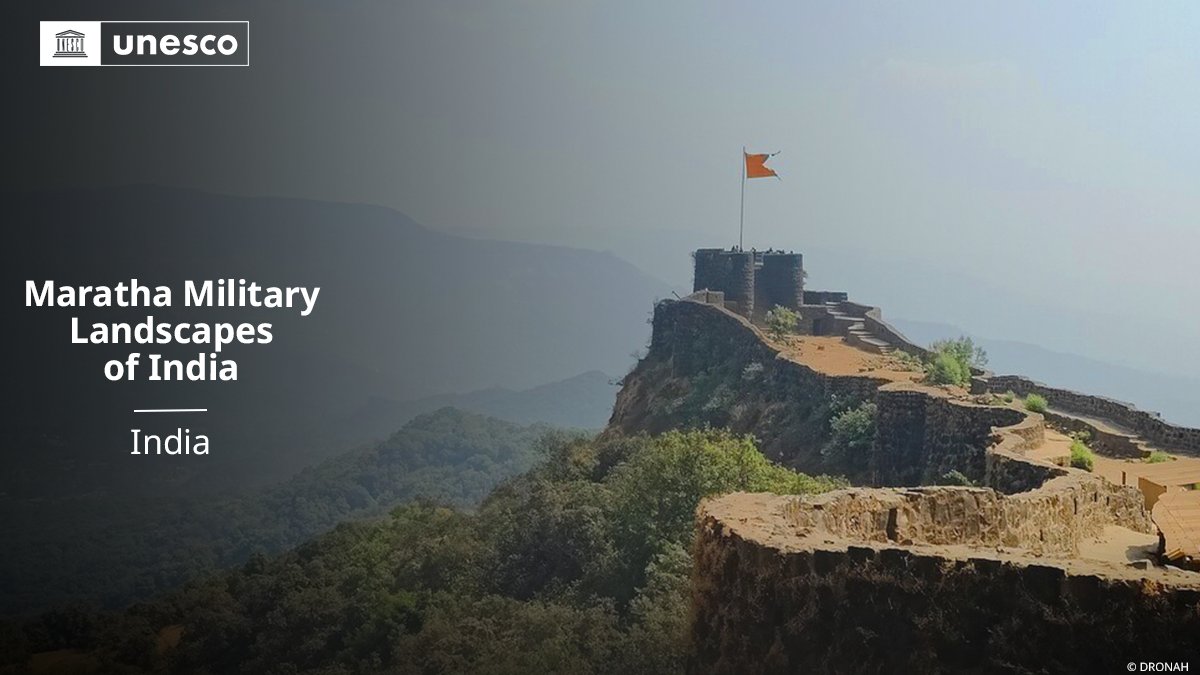
Narendra Modi on X: "Every Indian is elated with this recognition. These ‘Maratha Military Landscapes’ include 12 majestic forts, 11 of which are in Maharashtra and 1 is in Tamil Nadu. When we speak of the glorious Maratha Empire, we associate it with good governance, military strength, cultural" / X strength, cultural pride and emphasis on social welfare. The great rulers inspire us with their refusal to bow to any injustice. I call upon everyone to go visit these forts and learn about the rich history of the Maratha Empire.    3:02PM 12 July 2025


10 July 2025


9 July 2025


Sachin Singh on X: "@narendramodi Prime Minister Narendra Modi's tour of Brasilia has been a remarkable testament to his global reputation as a visionary leader committed to fostering international cooperation and cultural exchange. His visit, marked by the conferment of Brazil's highest honor, the 'Grand Collar https://t.co/3oWCiikP41" / X 6:52PM 9 July 2025 the 'Grand Collar of the National Order of the Southern Cross,' underscores the deep respect and admiration Brazil holds for India's contributions to global peace and development. This gesture not only elevates Modi's stature on the world stage but also symbolizes the strengthening of India-Brazil relations.The tour has been a marvel of diplomatic engagement, with Modi’s interactions highlighting a shared commitment to economic growth and technological advancement. Discussions on setting a trade target of $20 billion over five years and exploring cooperation in critical areas like AI and space technology promise to usher in a new era of prosperity for both nations. These initiatives are poised to benefit not just the economies but also the people, through enhanced job opportunities and technological innovations.
Culturally, the visit has been a bridge between two diverse yet complementary civilizations. The vibrant welcome by the Indian diaspora, coupled with traditional Brazilian performances, has reinforced the cultural ties that bind the two nations. Modi's engagement with the diaspora, appreciating their connection to Indian culture while embracing Brazilian traditions, exemplifies his inclusive leadership style.Moreover, Modi's participation in the BRICS Summit and bilateral talks with President Lula da Silva have solidified India's role as a key player in global forums, advocating for a multipolar world order. His push for unified action against terrorism and climate change at the summit reflects his proactive approach to global challenges, ensuring that India's voice is heard and respected. In essence, Modi's Brasilia tour has been a masterful blend of diplomacy, cultural exchange, and strategic partnership, setting the stage for a brighter future for India and Brazil, and reaffirming his reputation as a global leader who bridges nations for mutual betterment. https://x.com/i/status/1942839256017195373

6 July 2025
Narendra Modi on X: "Mi visita a la Argentina ha sido productiva. Confรญo en que nuestras conversaciones darรกn un impulso significativo a nuestra amistad bilateral y concretarรกn el gran potencial que existe. Le doy las gracias al Presidente Milei, al Gobierno y al pueblo de Argentina por su calidez. https://t.co/S27lb906jn" / X My visit to Argentina has been productive. I am confident that our conversations will provide significant momentum to our bilateral friendship and realize the great potential that exists. I thank President Milei, the Government, and the people of Argentina for their warmth. 7:48AM 6 July 2025 https://x.com/i/status/1941585063013183627


The dynamic and global leadership of Prime Minister continues to shine brightly, showcasing India’s growing influence on the world stage. His recent meetings with President Javier Milei of Argentina, timed to celebrate 75 years of diplomatic relations and the fifth anniversary of the Strategic Partnership established in 2019, underscore a pivotal moment in bilateral ties. These discussions have paved the way for diversified trade, with a focus on key sectors like agriculture, defense, security, energy, pharmaceuticals, and sports, leveraging Argentina’s vast lithium reserves—projected to meet 20% of global demand by 2030 according to the 2023 USGS report—to bolster India’s energy security. The outcome is a strengthened partnership that promises economic growth, with Milei’s economic reforms, including a remarkable reduction of inflation from 300% in May 2024 to 55.9% by March 2025, aligning with India’s stability-driven vision. This collaboration not only enhances mutual prosperity but also positions both nations as key players in reshaping global economic and strategic landscapes, marking a historic step forward under Modi’s visionary guidance. Video https://x.com/i/status/1941555419832258891


5 July 2025

Narender Modi with President Christine Carla Kangaloo of Trinidad & Tobago

I’m very honoured that this is the first time this honour has been conferred upon a foreign leader.  
This recognition will strengthen our resolve to deepen ties with Trinidad & Tobago.  4:59 AM 5 July 2025 

Augadh on X: "Modi Slept on Floor, Ate Peanuts: Industrialist ML Mittal Recalls PM's Monk-Like Simplicity in NYC Industrialist ML Mittal recalled rarely-heard story from over two decades ago, when a young Narendra Modi, then not even in government, stayed at his New York apartment during an https://t.co/FSEQSeVhxB" / X York apartment during an international conference on poverty eradication. Refusing luxury and air-conditioning, Modi chose to sleep in a utility room used for ironing clothes and lived on fruits, jaggery, and peanuts. He fasted twice a week, used no fan, and never stayed in hotels. Even when serving as BJP’s General Secretary in Delhi, he lived in servant quarters, fetched water himself, and rode in dilapidated cars. With just $25 a day for foreign travel, Modi would save and return the rest to the party. Mittal says Modi’s unwavering discipline, humility, and service-first spirit were unmatched, and these qualities, not power, defined his rise. This video dives into the monk-like lifestyle of India’s most powerful man. Credit : TOI Bharat. 12:57 AM 5 July 2025

Augadh on X: "Brazil President Lula Backs India Led Trade Reform Digital Currency Push EU Pact Mercosur Summit India is now at the center of Latin America's economic future. At the Mercosur Summit, Brazilian President Luiz Inacio Lula da Silva called for the bloc to pivot toward Asia, https://t.co/w8LgmRWeKY" / X Asia, highlighting India among top partners, and urged the creation of a digital payment system using local currencies to reduce reliance on the dollar. The remarks come as PM Modi strengthens ties with Brazil and other Mercosur nations through defence, tech, and trade missions.
With 72 Brazilian business delegations visiting India in 2 years, the momentum is historic. Lula and Modi share visions on UNSC reform, BRICS-led economic realignment, and a $20 billion trade target. Meanwhile, Uruguay and Bolivia echoed calls for openness, equity, and geopolitical balance. Is India about to become Mercosur’s most strategic Asian ally? Credit : TOI Bharat.

11 June 2025

 ANI on X: "#WATCH | Washington, DC | On PM Modi, Former Pentagon official and a senior fellow at the American Enterprise Institute, Michael Rubin, says, "...Even Prime Minister Narendra Modi's critics will acknowledge that he has grown tremendously in office and he's now one of the most https://t.co/aYJXfiYU33" / X  one of the most influential statesmen not only in Asia but in the world. The fact of the matter is that this magnanimity is strategic and it also forces the Canadians to recognise that the problem all along was in Canada and not with India. So, kudos to Prime Minister Modi for this strategy and for rejoining and agreeing to go to Alberta and the fact of the matter is that a strong relationship between India and all of North America is within everybody's interests, especially given the rise of China"   1:10PM 11 June 2025

27 May 2025

Anand Ranganathan on X: "What has @narendramodi done in the last 11 years - except provide 100 million gas connections, build 112 million toilets, disburse 370 million health cards, pull 250 million Indians out of crippling poverty? If you know of someone who has done more, by all means vote for him. https://t.co/nWOuBKQxpT" / X

21 May 2025

Narendra Modi on X: "Spoke to Chancellor @_FriedrichMerz and congratulated him on assuming office. Reaffirmed our commitment to further strengthen the Strategic Partnership between India and Germany. Exchanged views on regional and global developments. We stand united in the fight against terrorism." / X 12:36AM 21 May 2025

20 May 2025

The Jaipur Dialogues on X: "On May 19th, one of the most controversial figures of Modern India, Nathuram Godse, was born. Some rally that he was right. Others say he was fatally wrong. But this is his final statement—unedited, unapologetic. A window into his mind and why he did what he did. It is upto https://t.co/EUrPzIq9Vt" / X

13 May 2025

Narendra Modi on X: "เคธเคญी เคฆेเคถเคตाเคธिเคฏों เค•ो เคฌुเคฆ्เคง เคชूเคฐ्เคฃिเคฎा เค•ी เคขेเคฐों เคถुเคญเค•ाเคฎเคจाเคं। เคธเคค्เคฏ, เคธเคฎाเคจเคคा เค”เคฐ เคธเคฆ्เคญाเคต เค•े เคธिเคฆ्เคงांเคค เคชเคฐ เค†เคงाเคฐिเคค เคญเค—เคตाเคจ เคฌुเคฆ्เคง เค•े เคธंเคฆेเคถ เคฎाเคจเคตเคคा เค•े เคชเคฅ-เคช्เคฐเคฆเคฐ्เคถเค• เคฐเคนे เคนैं। เคค्เคฏाเค— เค”เคฐ เคคเคช เค•ो เคธเคฎเคฐ्เคชिเคค เค‰เคจเค•ा เคœीเคตเคจ เคตिเคถ्เคต เคธเคฎुเคฆाเคฏ เค•ो เคธเคฆैเคต เค•เคฐुเคฃा เค”เคฐ เคถांเคคि เค•े เคฒिเค เคช्เคฐेเคฐिเคค เค•เคฐเคคा เคฐเคนेเค—ा।" / X

30 April 2024

DeepDownAnalysis on X: ""Our Time is Limited. Goals are Big" - PM Modi No surgical strikes till now. But Modi hasn't done anything yet. India may no longer follow the old predictable methods. Modi will Shock not just Pakistan but whole world This time. Read this thread till the end. https://t.co/0hFebBTZo8" / X

22 April 2024

Narendra Modi on X: "เค†เคœ เคนเคฎ เคœिเคจ เคจीเคคिเคฏों เคชเคฐ เค•ाเคฎ เค•เคฐ เคฐเคนे เคนैं เค”เคฐ เคœो เคจिเคฐ्เคฃเคฏ เคฒे เคฐเคนे เคนैं, เคตो เคฆेเคถ เค•े เคเค• เคนเคœाเคฐ เคธाเคฒ เค•ा เคญเคตिเคท्เคฏ เคฒिเค–เคจे เคตाเคฒे เคนैं। https://t.co/O1yGHIq82g" / X

Narendra Modi on X: "เคนเคฎें Tech Savvy เค”เคฐ Future-ready civil service เคคैเคฏाเคฐ เค•เคฐเคจा เคนोเค—ा, เคคाเค•ि เคนเคฐ Policy เค”เคฐ Scheme เค•ो Technology เค•े เคœเคฐिเค เคœ्เคฏाเคฆा Efficient เค”เคฐ Accessible เคฌเคจाเคฏा เคœा เคธเค•े। https://t.co/A19Bl3Sucr" / X

Narendra Modi on X: "เคญाเคฐเคค เค•ी เคฌ्เคฏूเคฐोเค•्เคฐेเคธी เค•ा เคฒเค•्เคท्เคฏ, เคฆुเคจिเคฏा เคฎें เคธเคฌเคธे เคฌेเคธ्เคŸ Ease of Compliances Environment เคฆेเคจे เค•ा เคญी เคนोเคจा เคšाเคนिเค। https://t.co/jv3cz9mKXt" / X


16 April 2024

Narendra Modi on X: "เค•ांเค—्เคฐेเคธ เคจे เคฐाเคœเคจीเคคिเค• เค–ेเคฒ เค–ेเคฒเคจे เค•े เคฒिเค เคฌाเคฌाเคธाเคนेเคฌ เค•े เคธเคชเคจों เค”เคฐ เคธाเคฎाเคœिเค• เคจ्เคฏाเคฏ เค•े เคฒिเค เคธंเคตिเคงाเคจ เคฎें เค•ी เค—เคˆ เคต्เคฏเคตเคธ्เคฅा เค•ो เคคुเคท्เคŸिเค•เคฐเคฃ เค•ा เคฎाเคง्เคฏเคฎ เคฌเคจाเค•เคฐ เคฐเค– เคฆिเคฏा। https://t.co/loKfR4elmZ" / X

Narendra Modi on X: "เคœเคฒिเคฏांเคตाเคฒा เคฌाเค— เคจเคฐเคธंเคนाเคฐ เค•े เคฒिเค เค…ंเค—्เคฐेเคœी เคธाเคฎ्เคฐाเคœ्เคฏ เคธे เคฒोเคนा เคฒेเคจे เคตाเคฒे เค•ेเคฐเคฒ เค•े เคถंเค•เคฐเคจ เคจाเคฏเคฐ เคœी เค•े เคฌाเคฐे เคฎें เค†เคœ เค‡เคธเคฒिเค เคฆेเคถเคตाเคธिเคฏों เค•ो เคœเคฐूเคฐ เคœाเคจเคจा เคšाเคนिเค…. https://t.co/VpBMb9ZjK3" / X

1 April 2025

ANI on X: "#WATCH | Nagpur, Maharashtra: RSS Chief Dr Mohan Bhagwat says, "It is said in our culture that we should see the divine in everyone... We should also worship the symbolisms of Lord Shiv because that gives us the practice of seeing Lord Shiv in everything. We should consider the https://t.co/N6RSNNhTCM" / X We should consider the presence of Lord Shiv in every living being... Worshipping a deity is a reminder of their qualities... We worship a deity to gain their qualities... Learning about their qualities teaches us how to follow their teachings... Lord Shiv did not want anything for himself, but when the world faced crises, he stepped up. When nectar was being distributed, he sidelined himself, but he held the poison in his throat to save the world. Can we pursue that in our lives?..." (31.03)

31 March 2025

Mr Sinha on X: "This is really interesting—probably the first time PM Modi and RSS Chief Shri Mohan Bhagwat Ji have been seen laughing together, sharing light moments like this. A good sign for both BJP and RSS. It will give the cadre a new confidence. https://t.co/pg6M7np1Dg" / X

Ishan Mishra on X: "เคฆेเคถ เค•े เคฆो power centre เค•ो เคเค• เคธाเคฅ เคฆेเค–เค•เคฐ เค†เคœ เค•ांเค—ी-เคตाเคฎी-เคธेเค•्เคฏुเคฒเคฐ-เคฒिเคฌเคฐเคฒ-เคœिเคนाเคฆी เค—ैंเค— เคฎें เคฎाเคคเคฎ เคฐเคนेเค—ा ๐Ÿ˜… #เคšैเคค्เคฐ_เคจเคตเคฐाเคค्เคฐि https://t.co/RtsQBQpKWr" / X

Narendra Modi on X: "Here are highlights from a very special Nagpur visit! Thankful to the people of Nagpur for the affection. https://t.co/9rKMXi1AXk" / X

Mahant Adityanath 2.0๐Ÿฆ on X: "@narendramodi เคธเคจाเคคเคจ เคงเคฐ्เคฎ เค•ी เคœเคฏ เคนो ๐Ÿšฉ๐Ÿ”ฑ๐Ÿ“ฏ๐Ÿšฉ๐Ÿ”ฅ https://t.co/D9m2vNXbPN" / X

Mahant Adityanath 2.0๐Ÿฆ on X: "@narendramodi เคฐाเคท्เคŸ्เคฐाเคฏ เคธ्เคตाเคนा, เค‡เคฆं เคฐाเคท्เคŸ्เคฐाเคฏ เค‡เคฆं เคจ เคฎเคฎ। ๐Ÿšฉ๐Ÿ“ฏ๐Ÿ”ฑ https://t.co/XfKCN9XtzW" / X

"Why I am a Hindu" Shashi Throor speaks - Member of Parliament from KeralaBhikuMhatre on X: ""Why I am a Hindu?" Wonderful speech by .@ShashiTharoor which again proves why he is the most RIGHT man in the most WRONG party.๐Ÿ‘ Must listen for Rahul Ghandy who calls Hindus "Hinsak" & for pseudo Liber@ls like Sagarika Ghost who calls Hinduism "Regressive"! https://t.co/TBPF4N8IH1" / X